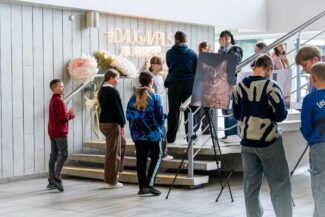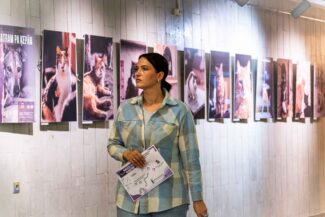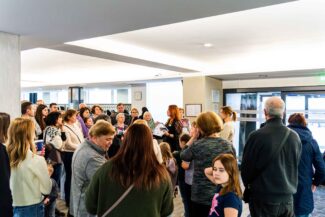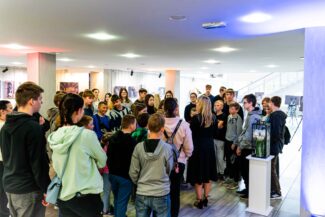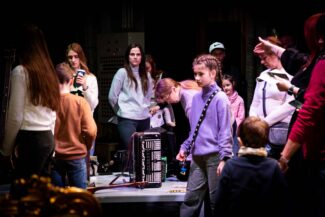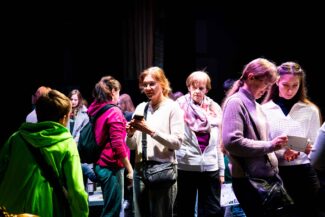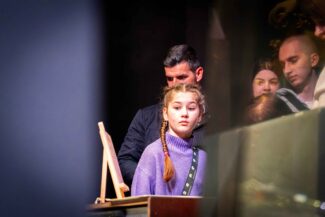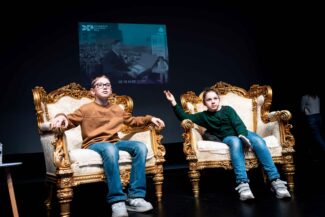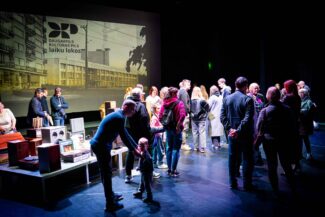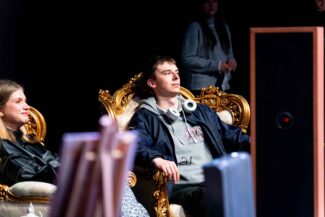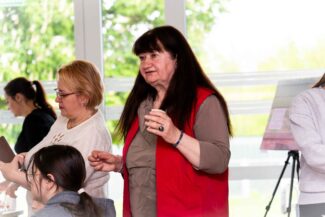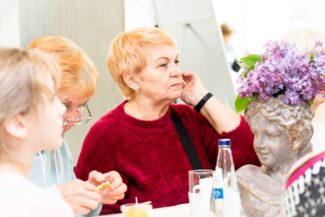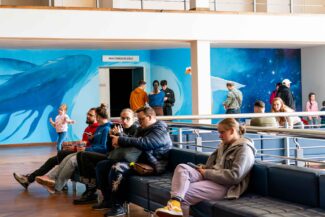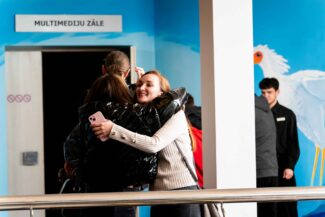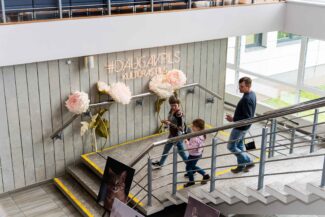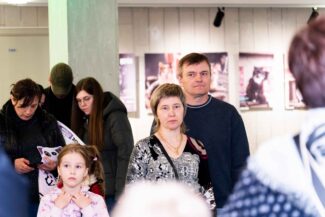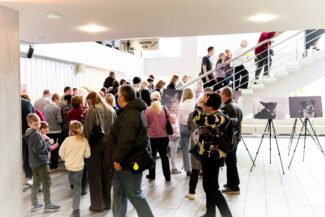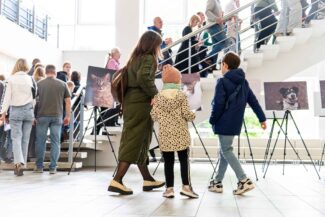

On May 17th of this year, Daugavpils Culture Palace opened its doors to more than 600 visitors for the first time as part of the Museum Night event, offering light, sound, stories, and warm hospitality. This year’s Museum Night theme — “The Stories of Our Values” — inspired us to reveal the true richness of the Culture Palace’s legacy: from historical facts to emotional stories and cultural secrets that are not always visible in everyday life.
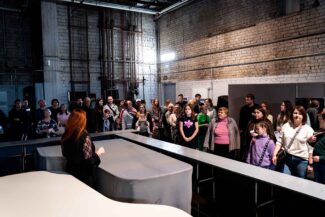
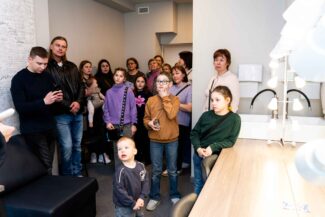
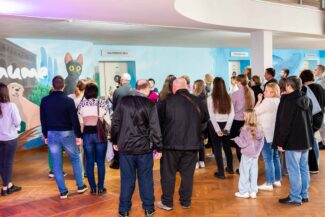
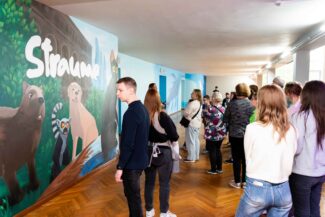
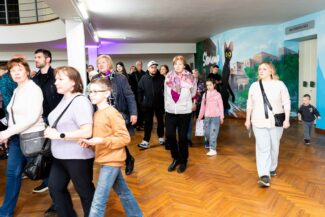
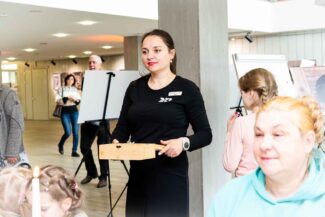
During guided tours, both young and old explored the palace — from the cloakroom to backstage areas, dressing rooms, the cinema space, and displays of historical evidence.
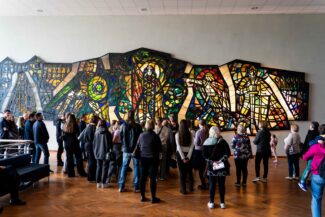
A special point of interest was the monumental stained glass artwork “Fire and Night” by Egon Cēsnieks, which tells a story of Rainis’ symbolic imagery captured in glass.
Visitors learned how this 22-square-meter colorful stained glass window was created as the symbolic centerpiece of the Daugavpils Culture Palace and how it came to embody Spīdola — a symbol of light and strength.
Of course, the building’s history was also shared — it dates back to 1972, when it was opened as the Chemists’ Culture Palace, featuring at the time the largest concert hall in Latvia, modern equipment, and bold architectural design. Participants of Museum Night listened with interest to stories about the development and transformation of the city’s cultural life over the past 50 years.
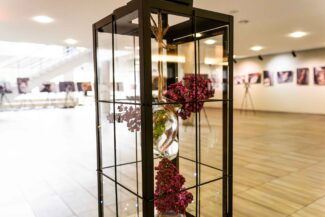
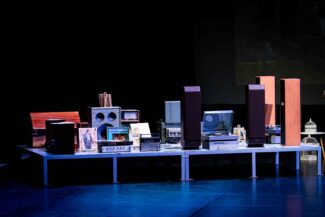
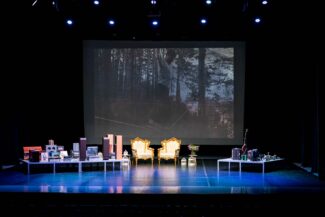
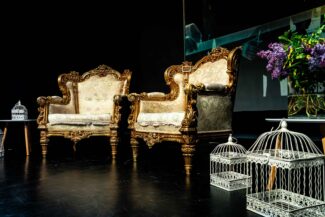
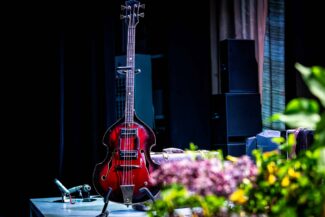
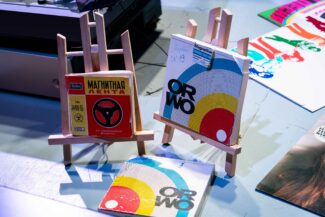
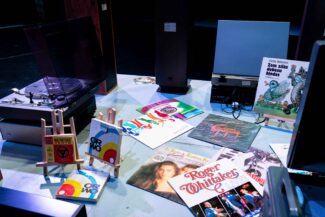
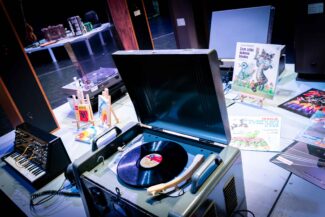
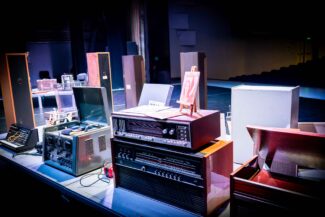
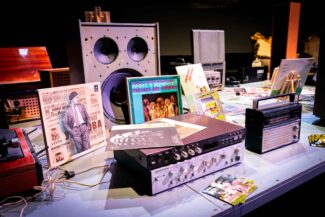
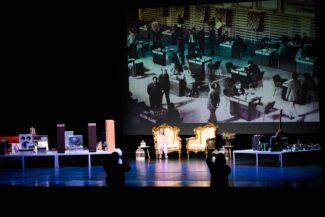
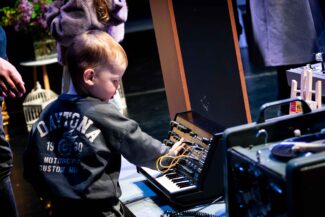
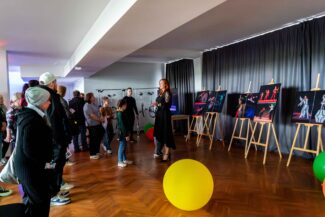
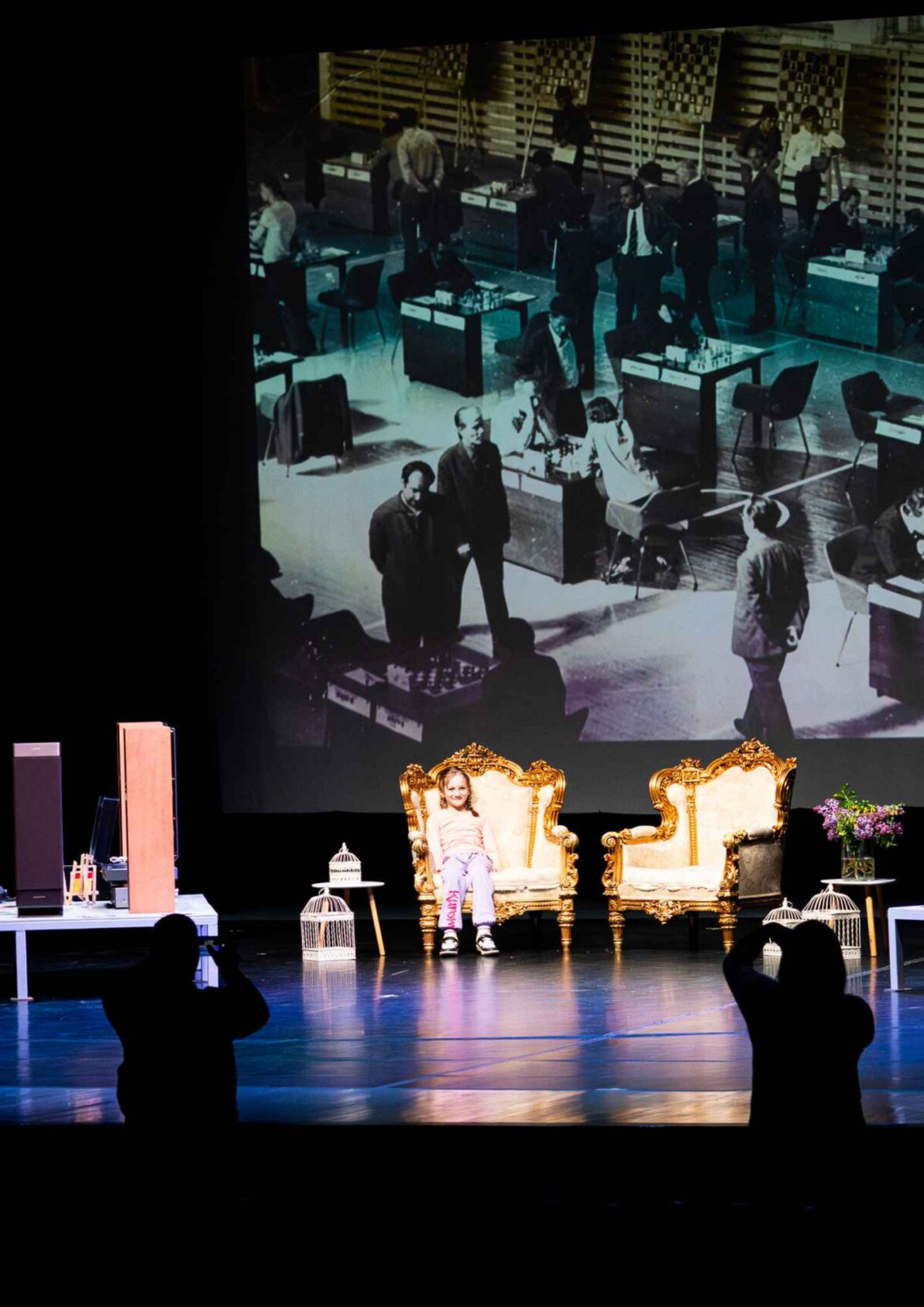
On the main stage, visitors were greeted by the “Light, Sound, Cinema” exhibition, where they could explore vinyl records and players, microphones, projectors, and musical instruments from private collections and the Palace’s own archive.
The exhibition was curated by sound director Valerijs Bernateks.
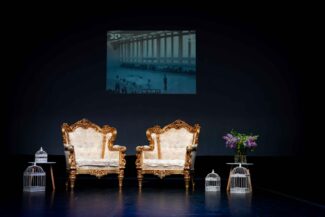
Historic footage was also shown on the stage screen, depicting the opening of the Chemists’ Culture Palace on October 22, 1972, as well as various activities held in the building and during the leisure time of its staff.
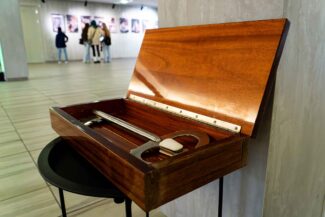
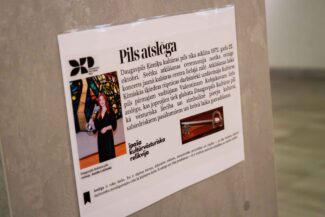
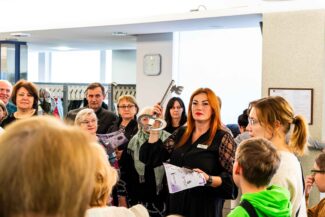
One of the most intriguing and previously unseen exhibits was the palace key.
During the opening ceremony in 1972, a festive concert took place in the great hall of the newly inaugurated cultural centre. At that time, workers of the Chemical Fiber Plant gifted a large key to the first director of the Culture Palace, Valentīns Kobjakovs.
The key is still preserved in the Daugavpils Culture Palace as a historical artifact and symbol of access to culture, public events, and meaningful leisure. The key is a handmade object, featuring smooth, polished shapes, a decorative handle, and crafted with precision and care. It was made in the plant’s metal workshop as a collective effort. It is more than just an object — it is a symbol of entrusted responsibility and creative leadership.
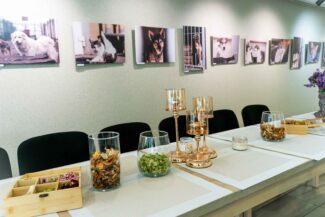
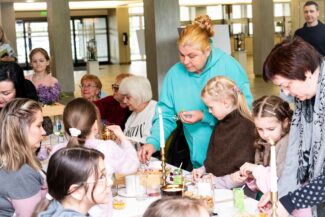
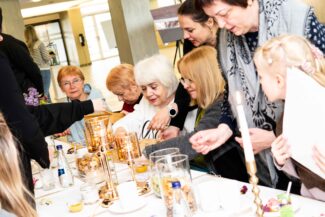
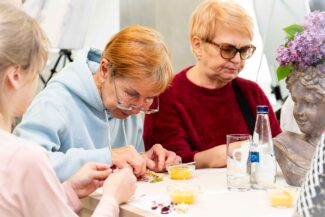
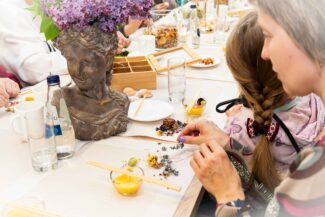
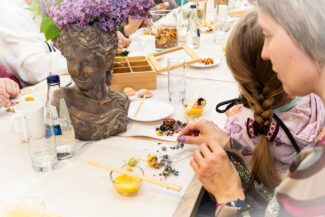
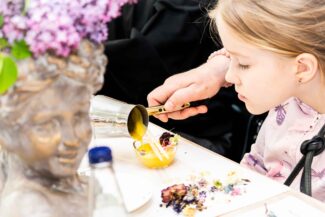
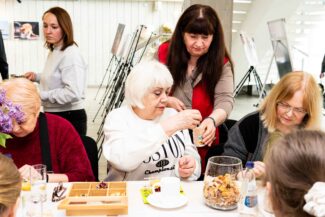
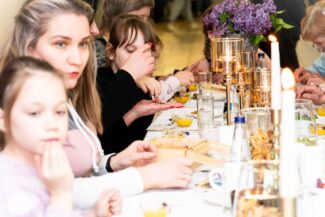
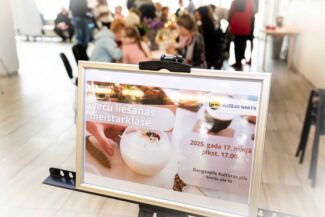
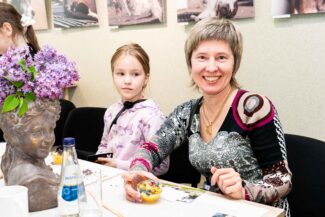
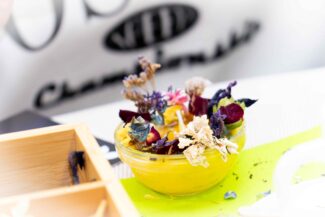
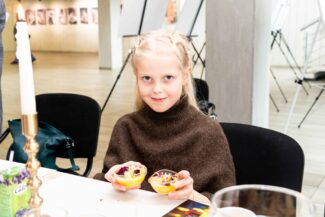
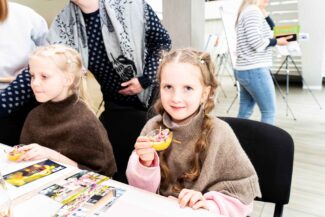
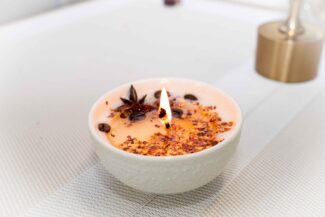
A special atmosphere was created by the candle-making workshops, where both adults and children spent quality time and learned the art of candle pouring. Basic techniques were introduced, and candles were made using beeswax and paraffin in a calm and harmonious environment. The workshop was led by the creative and skilled Culture Palace employee Elita Gudziševska.
Director of Daugavpils Culture Palace, Astrīda Leščinska, shared her reflections:
“This Museum Night proved how important it is to share stories, values, and memories created by people. We are truly grateful for the great interest and positive feedback we received, and we believe that Museum Night at the Daugavpils Culture Palace has become a beautiful tradition.
A heartfelt thank you to the Culture Palace team, whose professionalism, creativity, and dedication made this event possible — from concept to realization. Each person gave a part of their heart to make visitors feel welcome and ensure the event ran smoothly.”
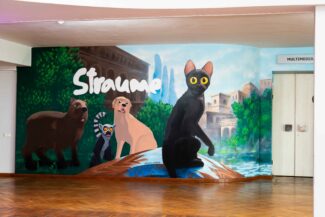
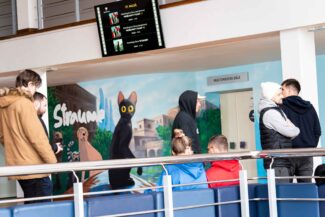
During the evening, film screenings were held, and visitors had the opportunity to take photos next to a newly created large-format illustration featuring “Straume” characters (author: Edgars Losinskis).
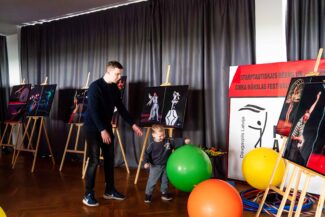
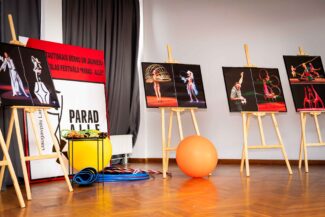
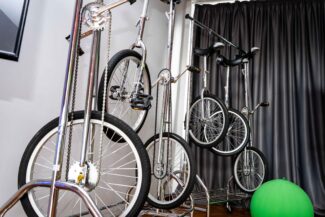
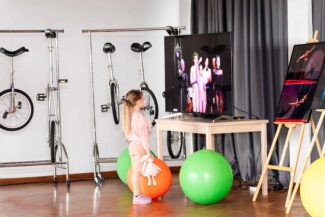
On the second floor, visitors could view the equipment of the “Vivat” circus studio and the photo exhibition “Circus in Daugavpils”.
For ten years, the Culture Palace hosted the international children’s and youth circus arts festival “PARAD ALLE”, which gathered young acrobats, clowns, animal trainers, and trick artists from various countries. Talented performers were divided into three age groups, starting from the age of 10. Archival videos were also available for viewing.
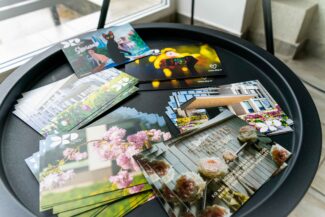
As a small surprise, specially designed postcards, sweets, and of course, warm hospitality were offered.
We eagerly await to see you again next year — for new stories, new emotions, and meaningful meetings in our space of values.